Introduction
For coastal homeowners, having clean water is only part of the challenge. The bigger question is how water systems affect the environment. Small-scale desalination offers both dependable freshwater and real environmental benefits.
Homeowners can use reverse osmosis with renewable energy. This helps them have a steady water supply and reduce their impact on the planet.
How Small-Scale Desalination Works
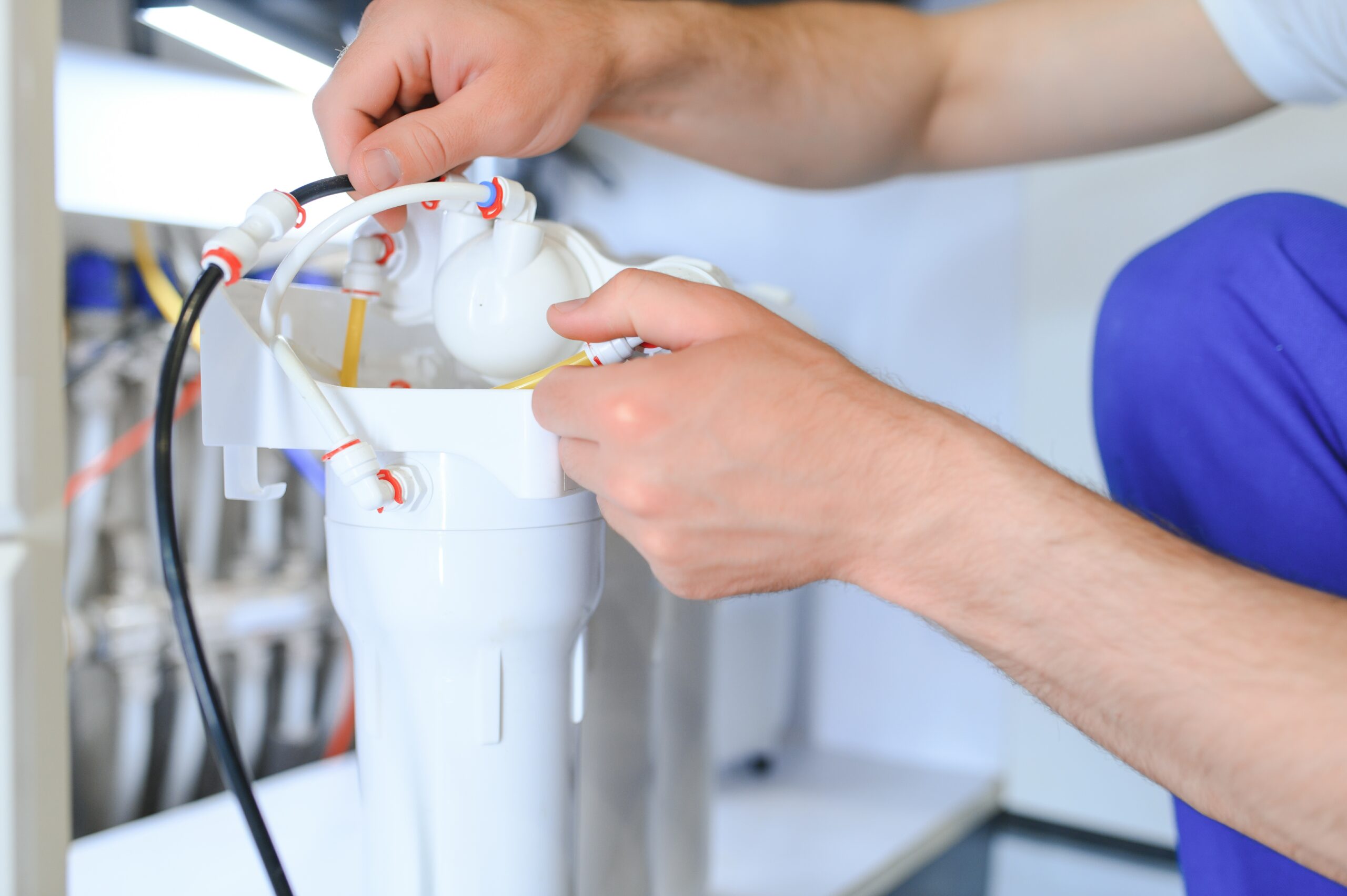
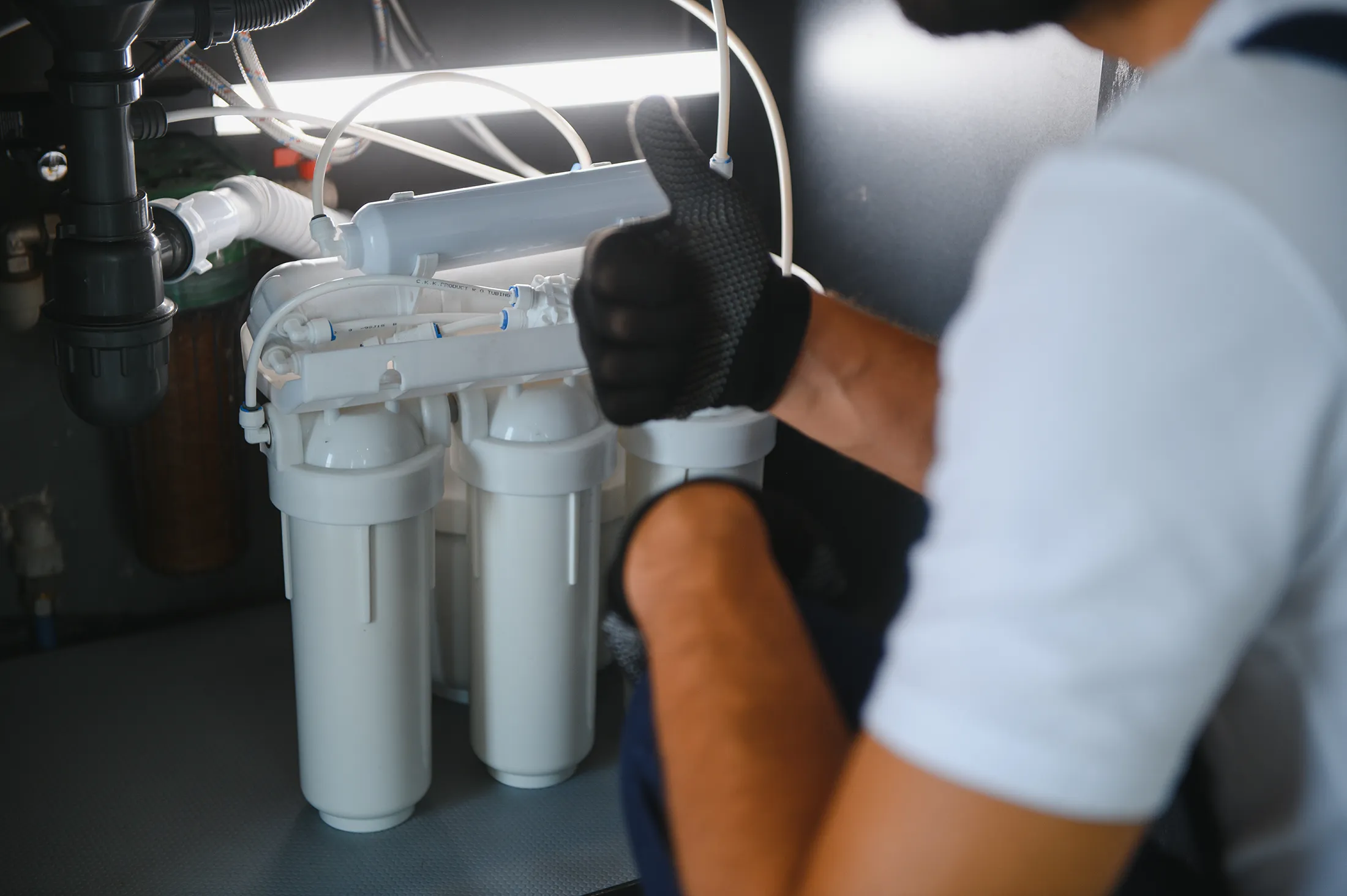
Desalination removes salt and impurities from seawater to make it drinkable. A small-scale system for one home usually includes:
- Solar Panels or Renewable Power to run pumps and controls
- Reverse Osmosis Membranes to filter out salt and bacteria
- Freshwater Storage Tanks to keep clean water ready for use
This setup allows homes to meet water needs without relying on municipal systems, trucking, or bottled water.
Cutting Down on Plastic Waste
One of the biggest benefits is reducing plastic waste. Families that buy bottled water often create large amounts of trash. A home desalination system removes that need, keeping plastics out of landfills and oceans. This is especially valuable for coastal communities that see firsthand the damage caused by plastic pollution.
Lowering Carbon Emissions with Solar Power
When desalination runs on solar energy, it avoids fossil fuels. This lowers greenhouse gas emissions compared to using a generator or paying for trucked-in water. For eco-conscious homeowners, solar-powered desalination offers a smaller carbon footprint and greater energy efficiency.
Conserving Local Water Resources
Coastal aquifers and municipal systems are under pressure from overuse. Wells may run dry or become salty, and towns may struggle to meet demand. Small-scale desalination takes pressure off these fragile resources by turning seawater into a reliable source of freshwater. This helps keep ecosystems balanced while still meeting household needs.
Building Resilience for Coastal Living
Coastal areas are often hit by storms, flooding, or power outages. A self-sufficient desalination system ensures clean water even when local utilities are down. For individual families, this means security. For communities, it supports faster recovery during emergencies.
Why ECHOTec Watermakers
ECHOTec designs watermakers that are rugged, efficient, and easy to maintain. With over 5,000 installations around the world, users have shown that their systems work well on land and in the sea. For coastal homes, ECHOTec provides solutions that are reliable, solar-ready, and built to international standards.
Comparing Desalination to Traditional Water Sources
Traditional options for coastal homes include wells, municipal lines, or trucked-in water. Each option has downsides.
Wells can let in saltwater. Municipal water can be expensive or unreliable. Trucking adds emissions and waste. Small-scale desalination gives homeowners direct, eco-friendly access to seawater converted into clean water.
Cost Benefits Over Time
A desalination system requires upfront investment, but the savings grow over time. Families spend less on bottled water, cut utility bills, and avoid generator fuel costs. In places where water delivery is expensive, these savings are even greater. Over the years, desalination has become both a sustainable and cost-effective choice.
Protecting Coastal Ecosystems
Healthy ecosystems are vital for coastal areas. By relying on reverse osmosis powered with solar energy, families reduce plastic waste and take pressure off aquifers. This helps protect wetlands, wildlife, and marine habitats, while also giving homeowners peace of mind about their environmental impact.
Future of Small-Scale Desalination
As demand for freshwater grows, more communities will turn to small-scale desalination. Advances in membranes, energy recovery, and solar technology are making systems more effective and affordable. In the future, desalination will not only serve single homes but also entire neighborhoods and small coastal communities.
Supporting Sustainable Coastal Communities
When individual households adopt small-scale desalination, the benefits extend beyond the home. Communities that reduce their reliance on bottled water and trucked-in supplies create less waste and fewer emissions. Shared adoption of desalination technology helps protect local aquifers, preserve marine environments, and build resilience against climate change. For coastal neighborhoods, this collective approach to water management supports long-term sustainability and strengthens community well-being.
Improving Quality of Life for Coastal Homeowners
Beyond the environmental gains, small-scale desalination directly improves daily life for coastal households. Families no longer worry about running out of bottled water, scheduling deliveries, or dealing with unpredictable municipal supplies. Fresh, clean water is always available for drinking, cooking, and cleaning.
Desalination offers peace of mind. It also has lower long-term costs. Additionally, it has a smaller impact on the environment. These factors make desalination a smart choice for comfort and sustainability.
Conclusion
Small-scale desalination is more than access to clean water. It cuts plastic waste, lowers emissions, protects fragile resources, and improves resilience for coastal households. For families who want independence and sustainability, solar-powered desalination is a practical step toward protecting the environment while enjoying reliable water at home.